

Why Muffler Repair Is Important for Engine Performance
Mufflers are an essential part of the exhaust system, yet many vehicle owners do not think about them until unusual noises or performance problems appear. These components help control engine noise, support proper exhaust flow, and contribute to the overall efficiency of a vehicle. Because the muffler operates in harsh conditions beneath the vehicle, it is constantly exposed to heat, moisture, road debris, and corrosive materials. Over time, these factors can cause rust, cracks, blockages, or loose connections that affect both comfort and engine operation. According to Bridgestone, on average, people drive between 12,000 to 15,000 miles a year, making routine exhaust inspections and timely muffler repair important for reducing wear-related problems and maintaining reliable vehicle performance. Regular inspections and timely muffler repair can help drivers avoid larger exhaust problems while preserving performance, fuel economy, and reliability.
The Role of the Muffler in Vehicle Performance
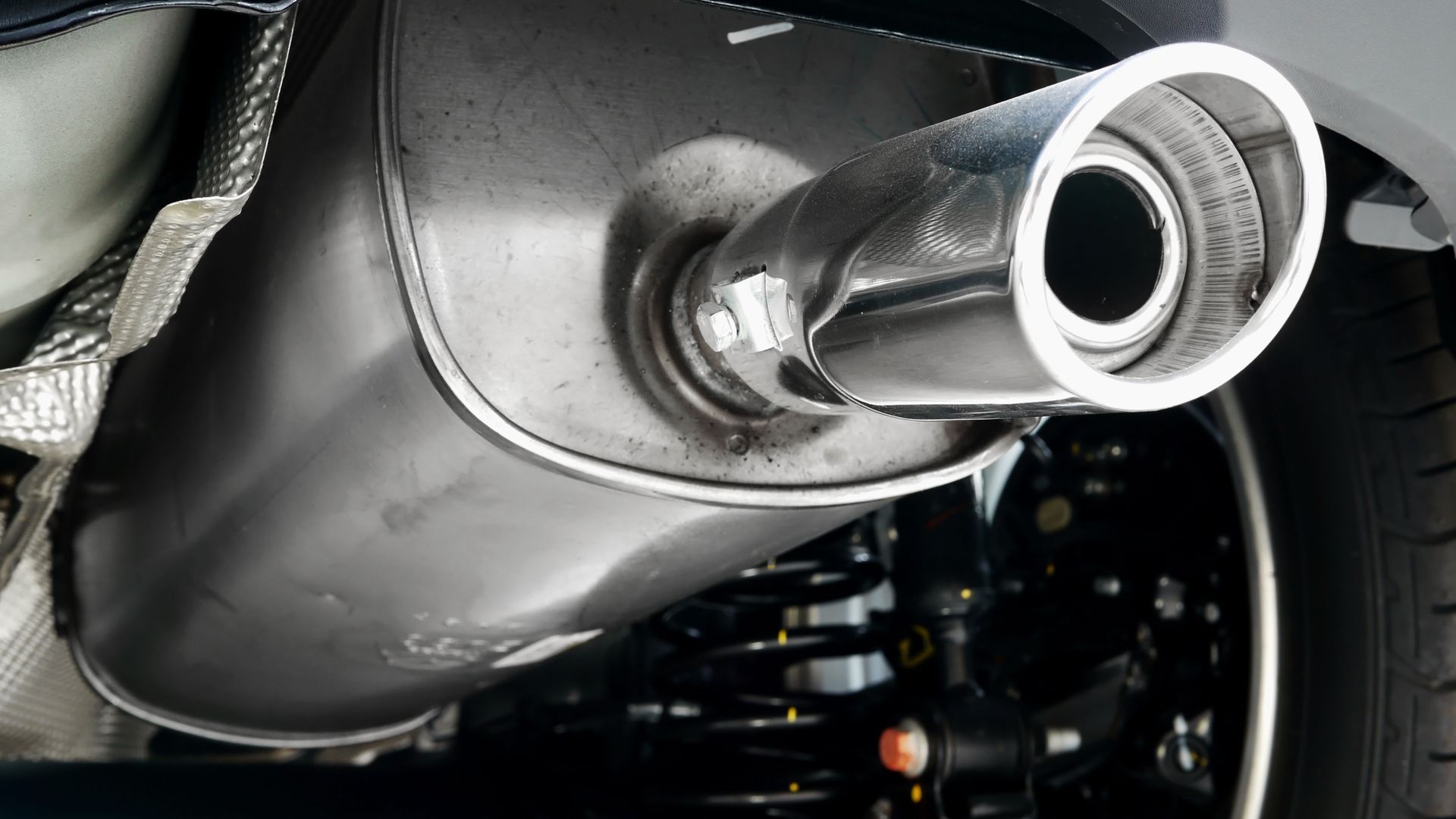
The primary purpose of a muffler is to reduce the noise created as exhaust gases leave the engine. Its internal chambers, baffles, and perforated tubes are designed to cancel or absorb sound waves before they exit the tailpipe. A properly functioning muffler creates a quieter driving experience while helping keep vehicle noise within legal limits. When internal components deteriorate, drivers may begin to hear rumbling, roaring, or hissing sounds that were not present before.
The muffler also influences how efficiently exhaust gases move through the system. Exhaust must leave the engine at the correct rate so that combustion can continue efficiently. If the muffler becomes clogged, crushed, or severely corroded, excessive backpressure can develop. This forces the engine to work harder to expel gases, which may lead to sluggish acceleration, lower power, and increased fuel consumption. Maintaining the exhaust system helps support smooth engine breathing and consistent performance.
Common Signs of Muffler Problems
Changes in exhaust sound are among the easiest warning signs to notice. A sudden increase in volume, deep rumbling, rattling, or metallic banging may indicate holes, broken internal components, or loose exhaust connections. These sounds should not be ignored because deterioration can spread to pipes, hangers, or other parts of the system. Early service can often address a smaller issue before it becomes a more extensive and expensive exhaust system problem.
Drivers may also notice a decline in fuel economy. When exhaust gases cannot flow efficiently, the engine may consume more fuel to maintain normal performance. A vehicle that suddenly requires more frequent trips to the gas station deserves further inspection, especially when the change occurs alongside unusual exhaust noise or reduced acceleration. Although fuel economy can decline for many reasons, the condition of the exhaust system should be considered during diagnosis.
Visible rust and corrosion are additional warning signs. Mufflers are frequently exposed to moisture, road salt, mud, and temperature changes that can weaken metal surfaces. Surface rust does not always mean immediate failure, but deep corrosion, holes, or flaking metal can compromise the component. Drivers should also pay attention to exhaust parts that appear to hang lower than normal, since broken supports can allow the system to shift or strike the road.
How Muffler Damage Affects the Engine
A restricted or damaged muffler can create excessive backpressure within the exhaust system. When exhaust gases encounter resistance, the engine must work harder to push them outward. This strain can reduce horsepower, make acceleration feel less responsive, and increase heat around nearby exhaust components. Correcting the restriction through proper muffler repair helps restore the flow needed for efficient engine operation.
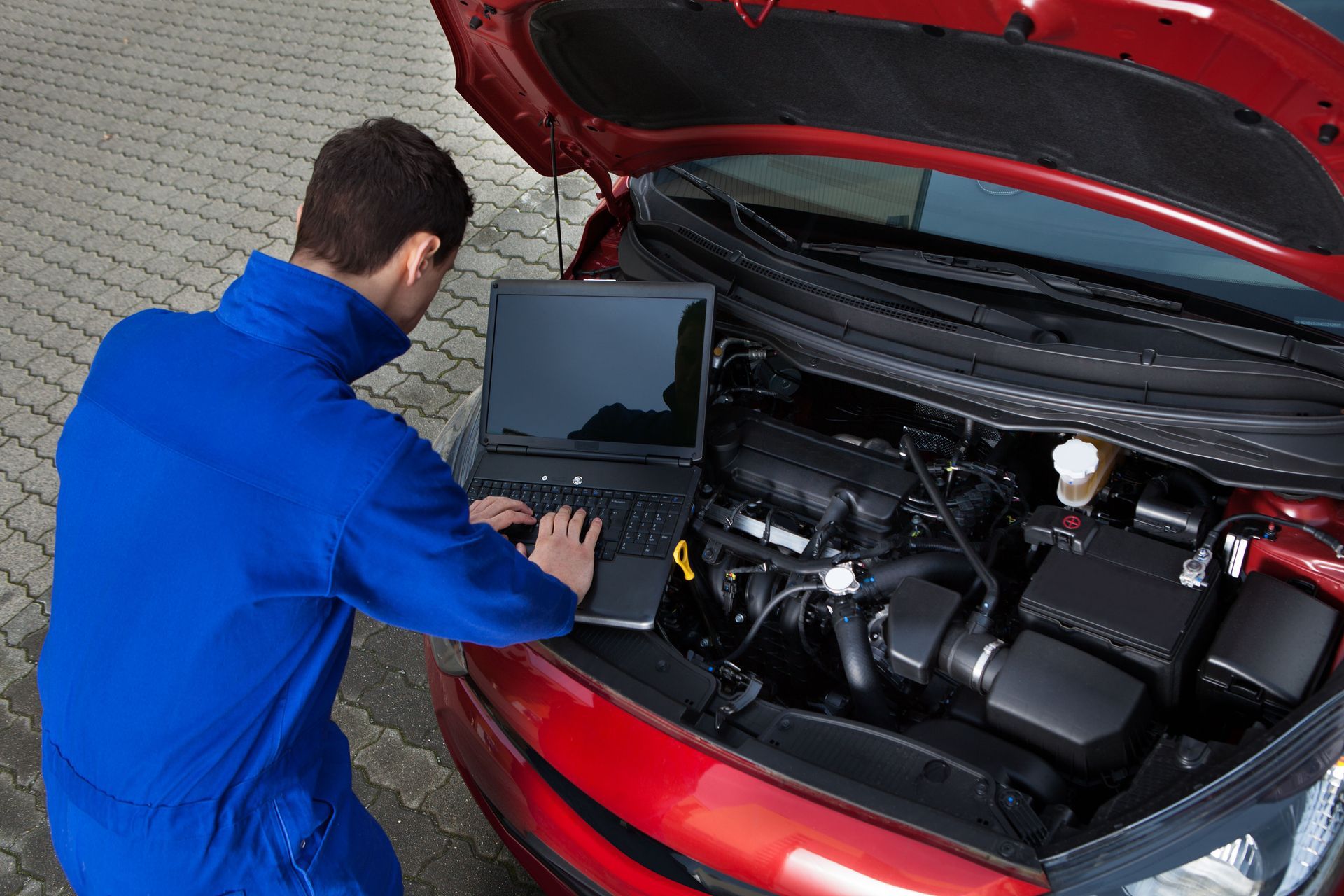
Poor exhaust flow can also affect sensors and emissions-related components. Modern vehicles rely on oxygen sensors, catalytic converters, and engine controls that monitor combustion and exhaust conditions. Problems in one portion of the system can influence readings elsewhere, sometimes contributing to a check engine light. A professional diagnostic inspection can determine whether the muffler, catalytic converter, exhaust pipe, or another component is responsible for the warning.
Damage may also allow exhaust gases to escape before they reach the tailpipe. Leaks can create stronger odors around the vehicle and may allow fumes to enter areas where they should not be present. Because exhaust gases can contain harmful substances, unusual smells should be taken seriously and inspected promptly.
Fuel Economy and Emissions Considerations
A healthy exhaust system allows gases to exit without unnecessary restriction, supporting efficient engine operation. When the muffler is clogged or damaged, the engine may burn more fuel while producing less useful power. Exhaust problems can also interfere with normal system operation and contribute to emissions or inspection concerns. Timely muffler repair, along with proper maintenance of sensors and the catalytic converter, helps the system function as intended.
Benefits of Timely Service
One of the greatest advantages of addressing exhaust problems early is preventing secondary damage. A loose or deteriorated muffler can place stress on hangers, joints, and connected pipes. If these parts fail, repair costs may rise because multiple components must be replaced. Early service gives technicians an opportunity to identify whether a small section can be repaired or whether replacement is the more practical long-term option.
Timely muffler repair can also restore a quieter ride. Excessive exhaust noise can make commuting uncomfortable and create unwanted vibration inside the cabin. Restoring damaged components helps return the vehicle to a more refined sound level. A quieter vehicle can also make it easier for drivers to recognize other mechanical noises that may need attention.
Engine responsiveness may improve when exhaust restrictions are corrected. A properly flowing system helps maintain expected power and acceleration while reducing unnecessary strain on connected components. Addressing exhaust problems before they worsen can also help preserve the performance characteristics drivers expect from their vehicles.
Choosing a Reliable Repair Service
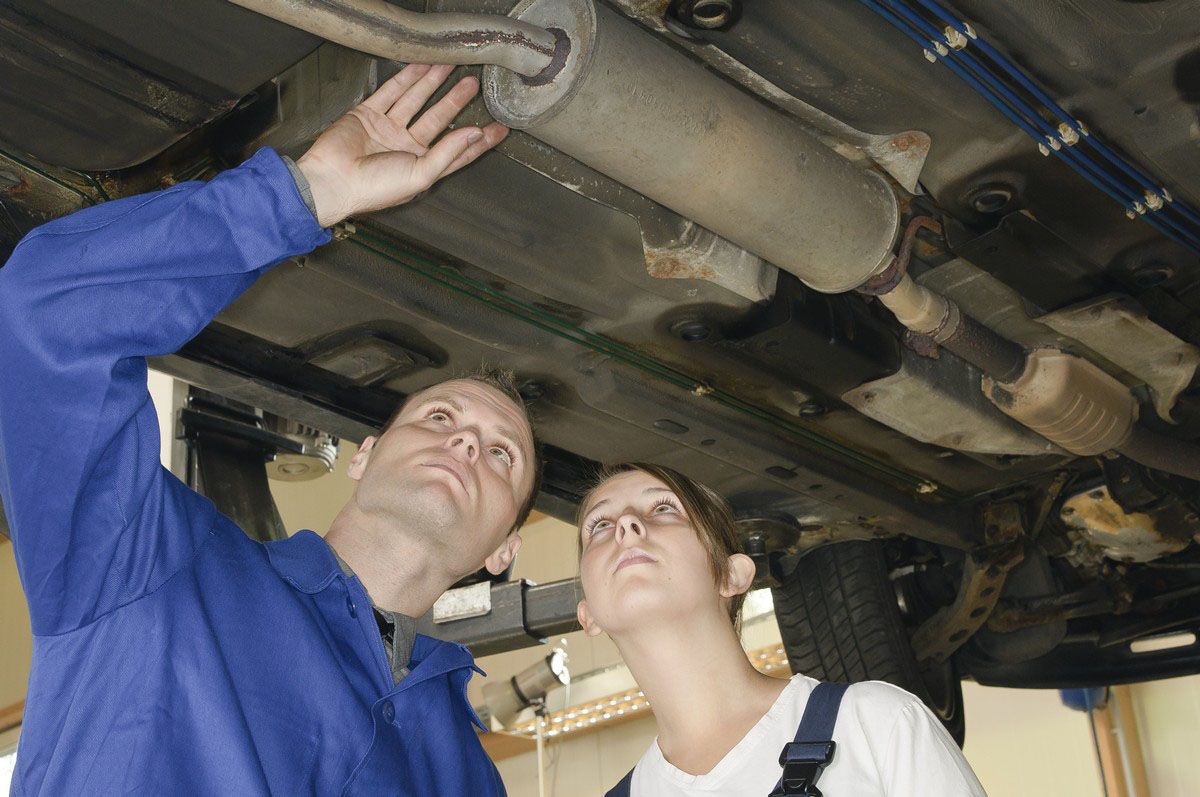
Selecting an experienced repair provider is important because exhaust problems are not always limited to the muffler. A qualified technician can inspect pipes, clamps, hangers, sensors, and the catalytic converter to locate the actual source of the problem and avoid unnecessary part replacement.
Vehicle owners should look for clear estimates, straightforward explanations, and appropriate warranty coverage. A reputable shop should explain whether welding, replacement, or broader exhaust work is recommended. Quality parts also matter because poor materials may corrode quickly or fit improperly. Durable components support a longer-lasting muffler repair.
The Importance of Quality Replacement Parts
The quality of replacement components can have a major influence on how long an exhaust repair lasts. Parts should be selected based on the vehicle's specifications, driving conditions, and existing exhaust configuration. Proper fitment reduces the possibility of leaks, vibration, and premature wear. Experienced technicians can recommend components designed to withstand the temperatures, moisture, and road conditions regularly encountered by the vehicle.
Proper installation is equally important. Even a high-quality muffler can develop problems if clamps are loose, hangers are positioned incorrectly, or connections are not properly sealed. Careful installation helps keep the system aligned while preventing exhaust leaks and unnecessary vibration. Having the entire exhaust assembly inspected after the work is completed can provide additional confidence in the repair.
Regular maintenance and professional
muffler repair help protect the exhaust system from more extensive damage while supporting vehicle efficiency and reliability. Drivers who include exhaust inspections in routine maintenance are better positioned to catch corrosion, leaks, and loose components before they become major repairs. A well-maintained muffler supports quieter operation, smoother performance, and greater confidence every time the vehicle is on the road. Contact our team at Collins Auto & Exhaust today and learn more about our auto repair services.




Share On: